
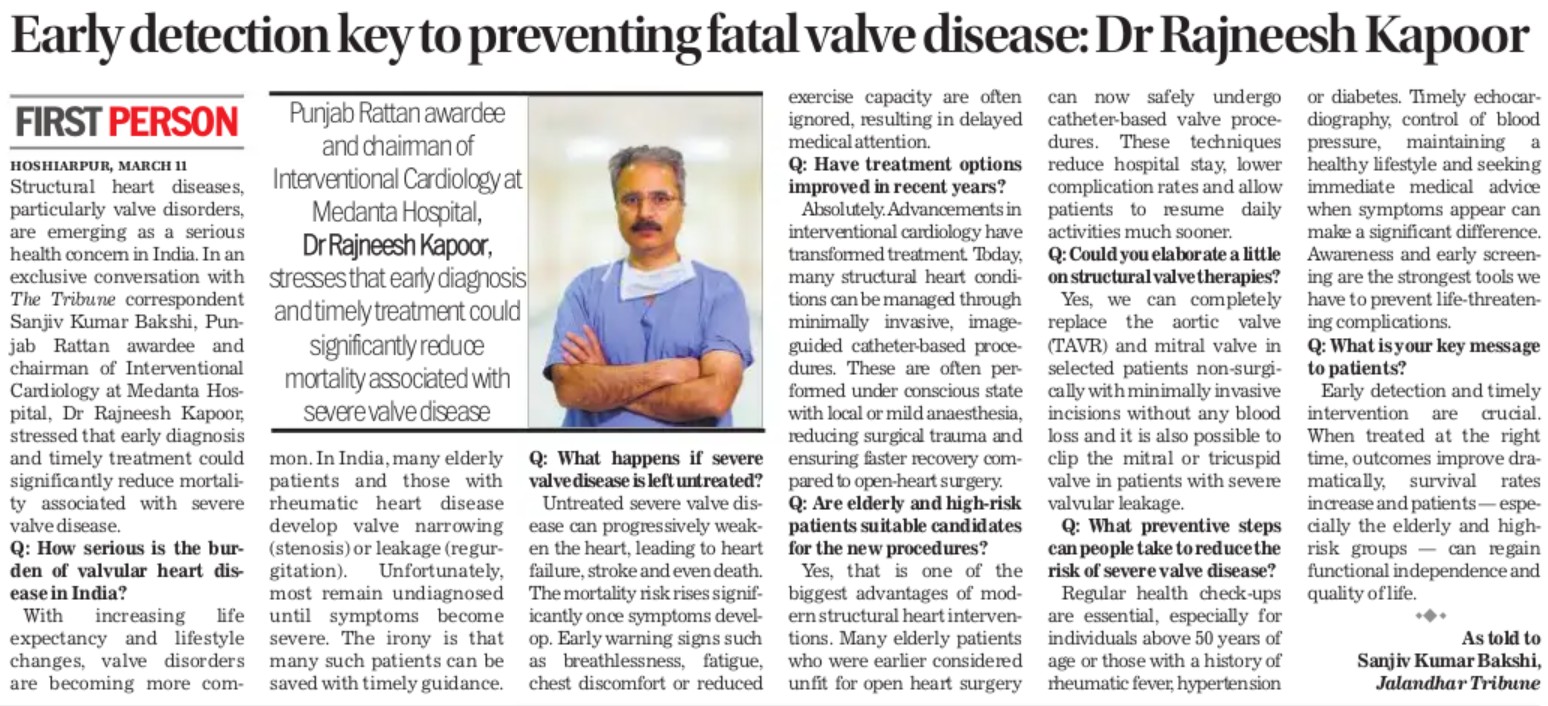
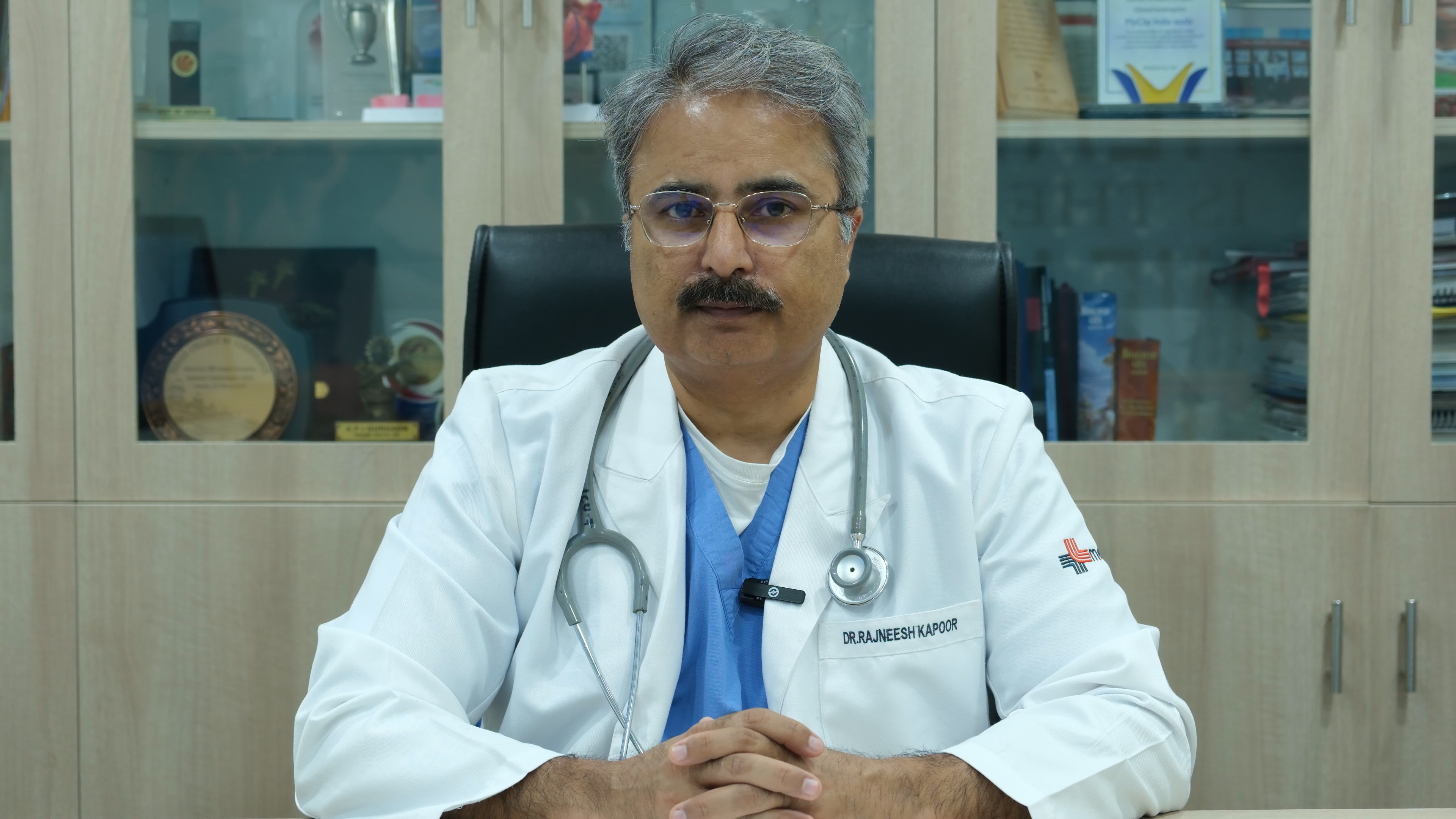
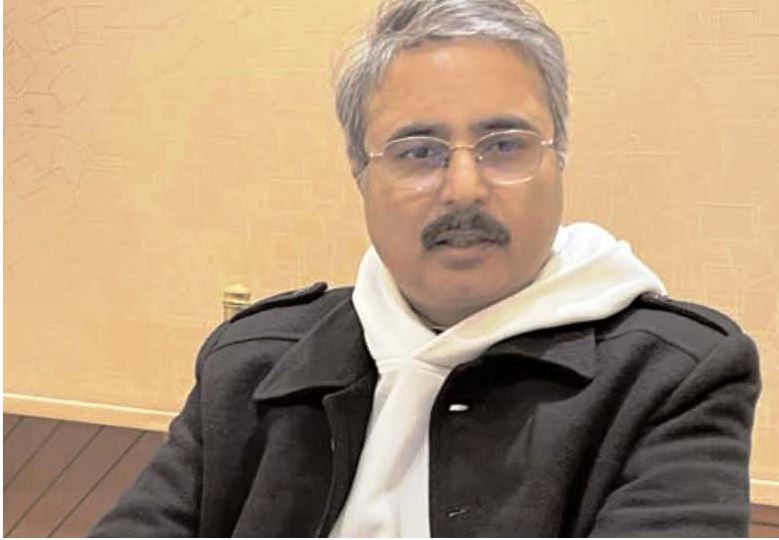
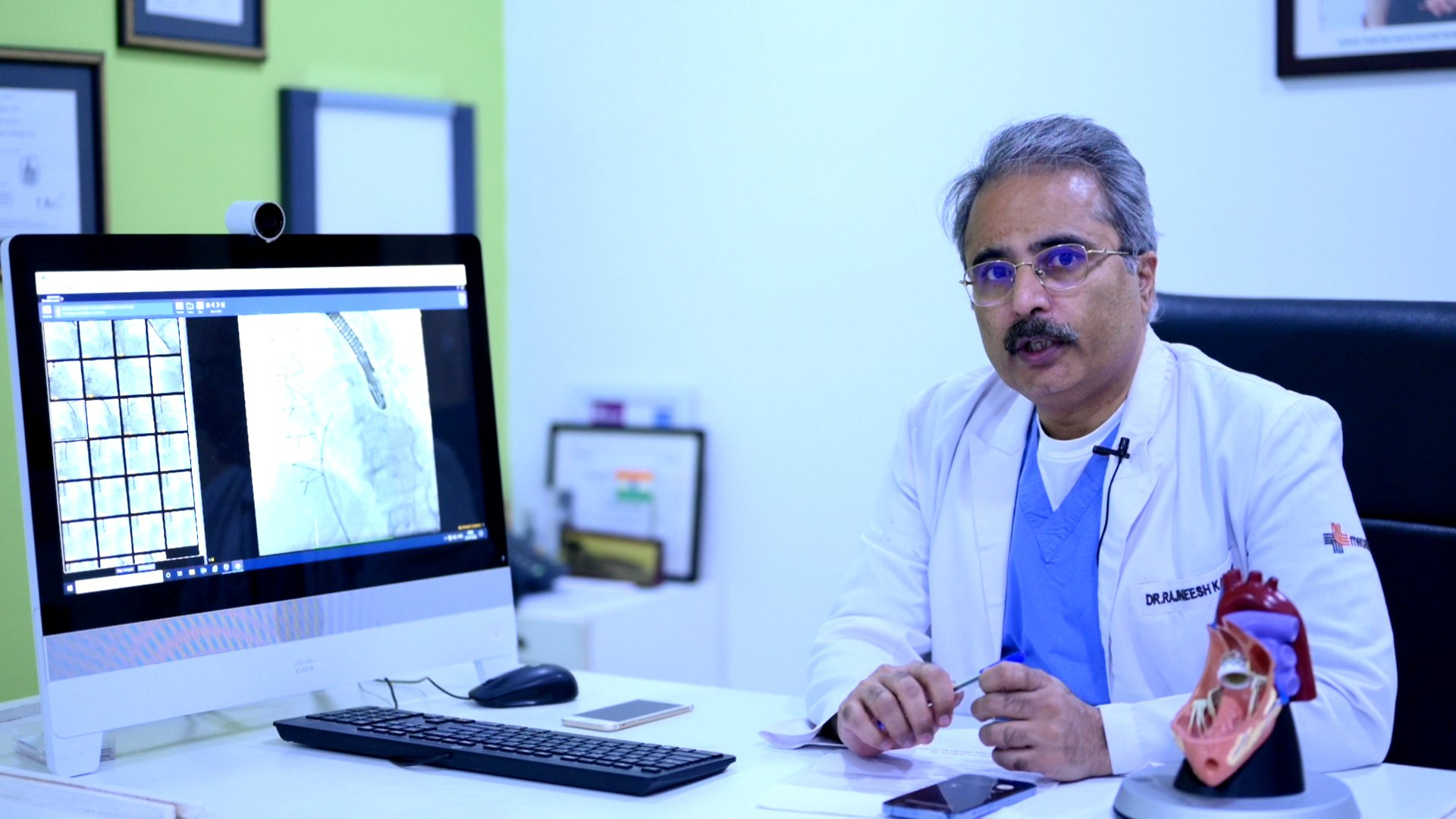
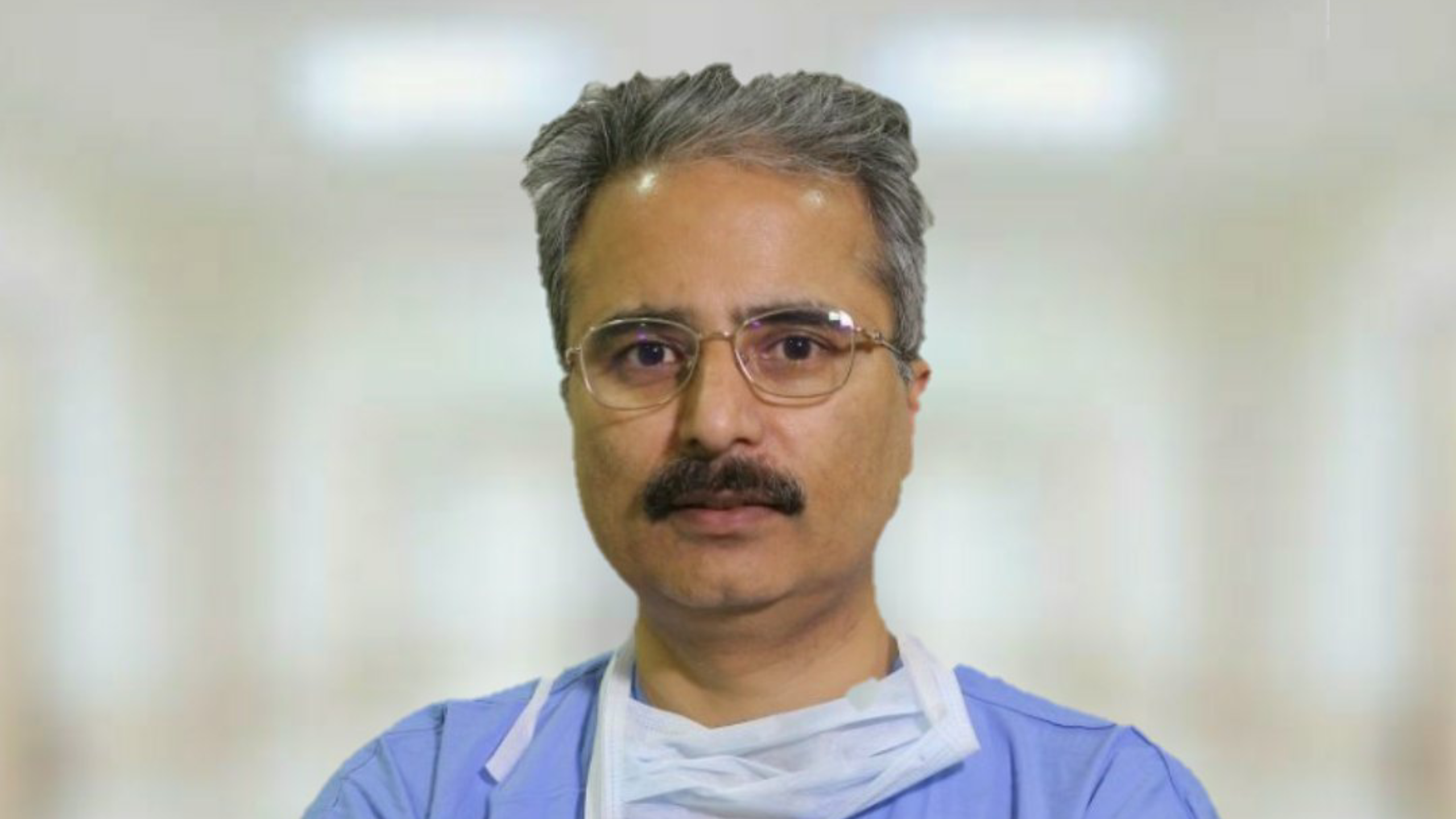
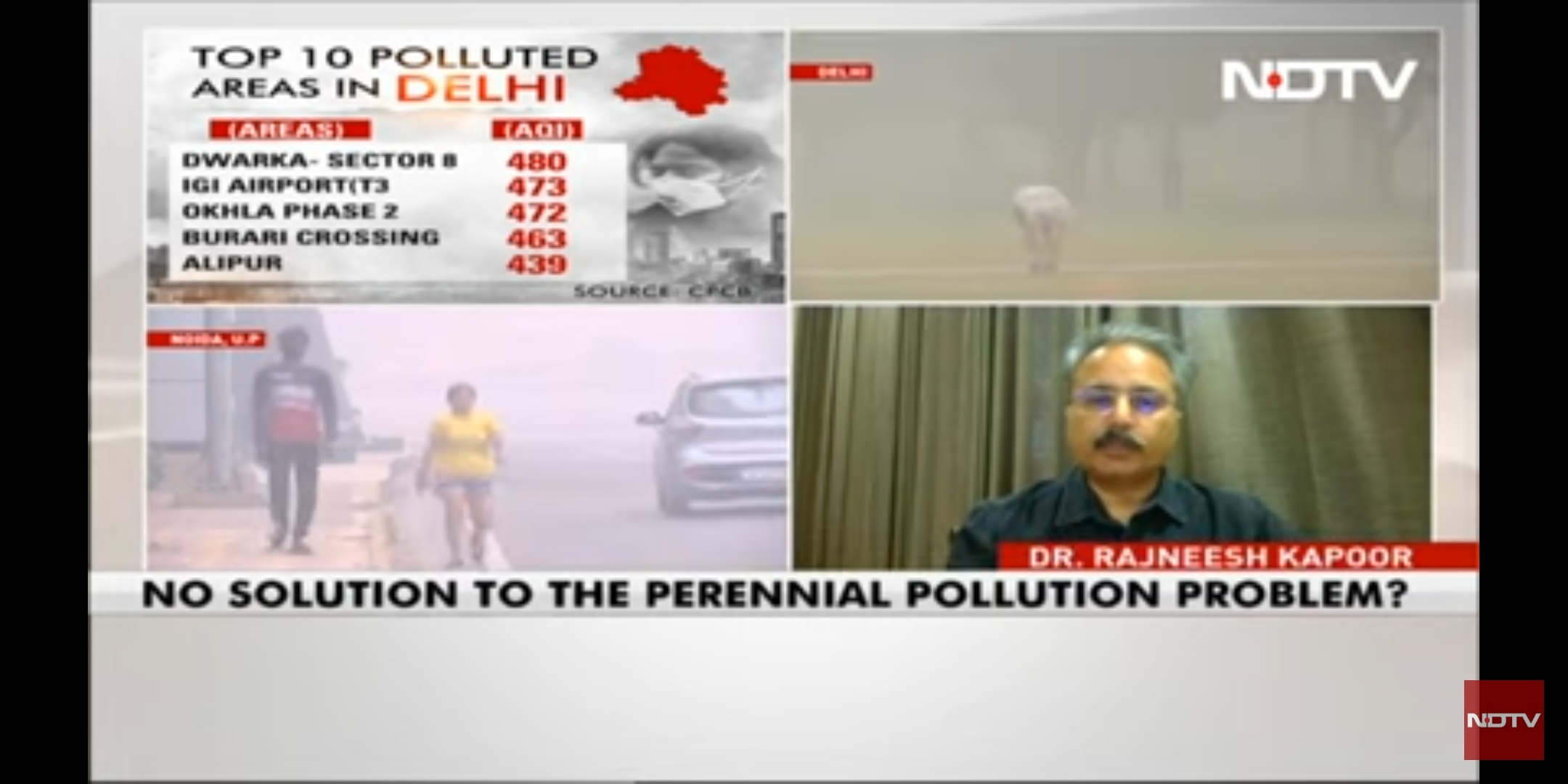
Heart valve disease is becoming a silent epidemic in India. In a recent exclusive interview with Sanjiv Kumar Bakshi from The Tribune, Dr. Rajneesh Kapoor, The Chairman of Interventional Cardiology at Medanta Hospital and Punjab Rattan Awardee, discusses why timely intervention is the difference between a fatal outcome and a full recovery.
Read the key highlights from the interview below on the changing landscape of structural heart disease and the breakthrough non-surgical treatments now available.
The Rising Burden of Valvular Heart Disease in India
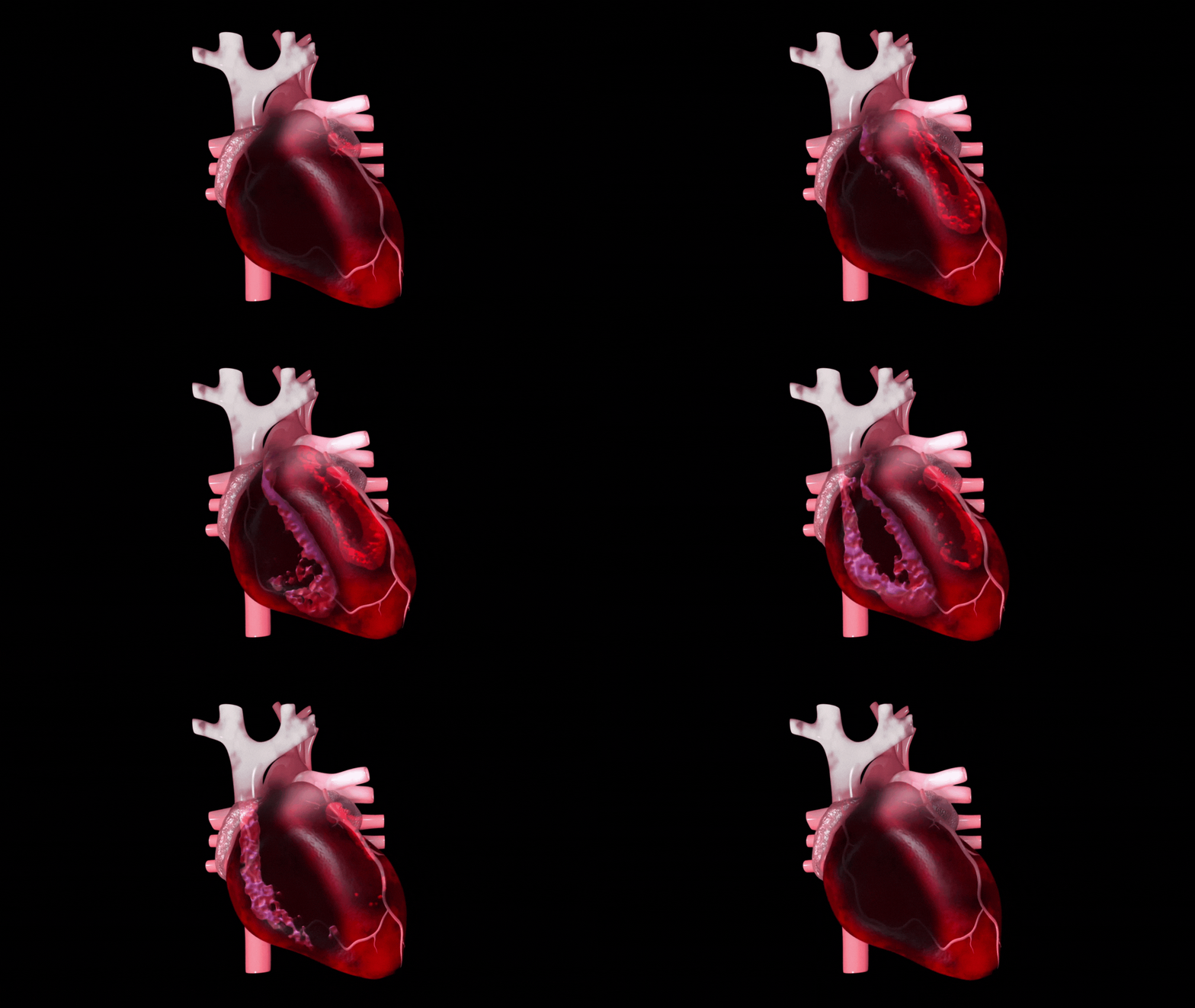
With shifting lifestyles and increased life expectancy, valve disorders—such as narrowing (stenosis) or leakage (regurgitation)—are on the rise. Dr. Kapoor notes that many patients, especially the elderly and those with a history of rheumatic heart disease, remain undiagnosed until symptoms become severe.
The Hidden Danger: What Happens if Left Untreated?
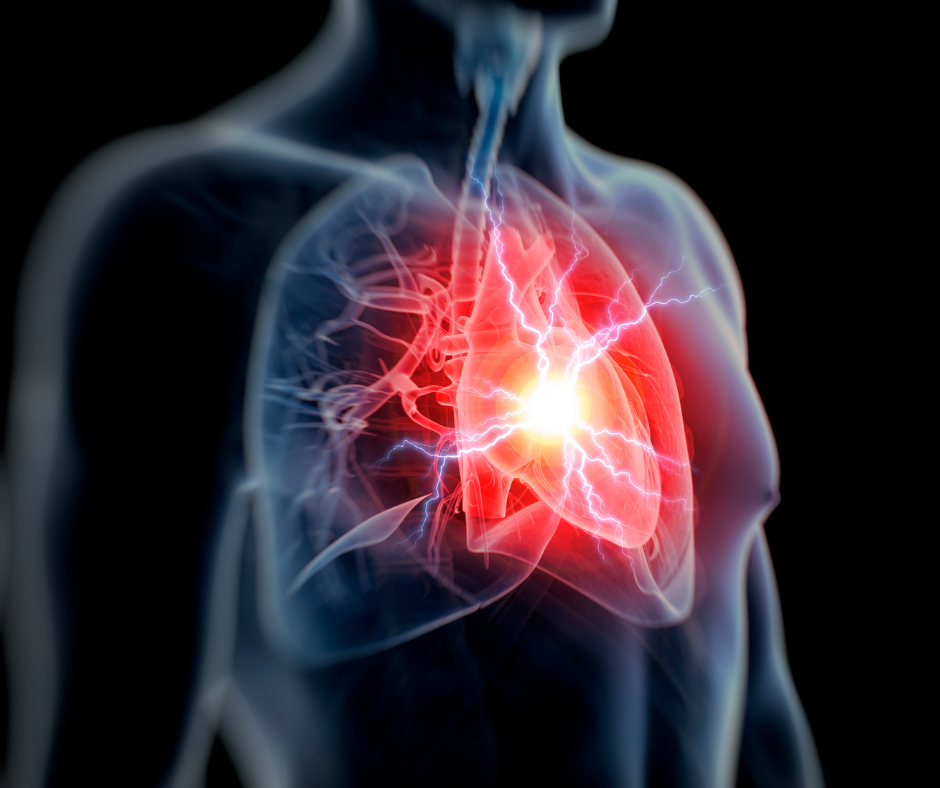
"Untreated severe valve disease can progressively weaken the heart, leading to heart failure, stroke, and even death," says Dr. Kapoor.
Watch for these early warning signs:
1. Breathlessness
2. Unusual fatigue
3. Chest discomfort
4. Reduced exercise capacity
A Revolution in Treatment: Beyond Open-Heart Surgery
One of the most significant shifts in cardiology is the move toward minimally invasive, catheter-based procedures. These are game-changers for:
1. High-risk & Elderly Patients: Those previously deemed "unfit" for surgery can now undergo safe valve procedures.
2. Faster Recovery: Performed under local or mild anesthesia, leading to shorter hospital stays and minimal surgical trauma.
3. TAVR & Mitral Clips: The ability to replace aortic valves (TAVR) or repair mitral/tricuspid valves without a single major incision.
"Awareness and early screening are the strongest tools we have. When treated at the right time, outcomes improve dramatically, and patients can regain their functional independence." says Dr Rajneesh KapoorHow to Reduce Your Risk
"Awareness and early screening are the strongest tools we have. When treated at the right time, outcomes improve dramatically, and patients can regain their functional independence."
#HeartHealth #Cardiology #DrRajneeshKapoor #TheTribune #HealthTech

Share This News